Newsletter Subscribe
Enter your email address below and subscribe to our newsletter

 ByJohn A
The process of vacating a rented property can include many jobs that can take place within a very short time frame. There could be a need for transporting boxes, removal of furniture, setting up utility accounts, returning keys and conducting a final checkout inspection. Cleaning is also an integral part of this process and professional cleaners can perform more effectively if the premises are prepared well in advance.
Booking end of tenancy professional cleaning London tenants can make use of before check-out does not necessarily mean an instant cleaning session. Items of furniture, cleaning rubbish and other administrative and logistical issues are generally to be discussed in advance.
In most cases, end of tenancy cleaning is a lot easier once packing is mostly done.
Boxes, cases and loose articles can inhibit the ability of cleaners to work close to floors, skirting boards, cupboards, etc, and can significantly hinder the ability to clean surfaces. Continually moving articles from one side of a room to another will also undermine the ability to clean efficiently.
Most personal effects should be out of the property before the cleaning appointment. If they are not, all remaining effects should be bagged and left in a position which minimises the intrusion into the property.
Completing the move first minimises areas being cleaned only to be recontaminated. Moving boxes around rooms, taking furniture apart and other such activities can produce dust and dirt footprints and marks that will have been cleaned away.
See also: How Businesses Establish Cloud Governance Policies
Storage areas are easily forgotten, as many small items are kept within them until the very last minute.
If the cleaning plan involves the interior of the cupboards, wardrobes or drawers, they must be emptied before the cleaners arrive. Toiletries, clothing, foodstuffs, documents and varied household equipment can hamper access.
Focus on the kitchen especially. Be sure to open cupboards and drawers and check for packets, containers or other items that may have been left behind.
The same is true for a bathroom cabinet, bedroom wardrobe and other fitted storage.
An empty property gives cleaners easier access and removes the ambiguity of whether something was left on purpose or was meant to be cleaned away.
Packaging, loose household items, empty boxes, deteriorated food, damaged items etc will quickly build-up in the latter stages of packing. These should be cleared away in the lead-up to the cleaning appointment, if possible.
Paid cleaning and waste clearance are separate jobs unless both areas are booked in at the same time.
Clearing stray objects can also reveal the surfaces underneath. For instance, a pile of bags in a corner may block access to some of the floor and skirting board.
Before departing, you may empty each room, walk inside and check the wardrobes, the balconies, the cupboard, storage and other places.
Cleaners require physical access to the locations they are asked to clean.
Of course, kitchen work surfaces, bathroom surfaces, window sills, shelves and other accessible surfaces should also be cleared of personal possessions as much as possible. Floors should be kept clear of boxes, bags and loose items.
That doesn’t mean tenants must do everything themselves beforehand. It’s just about the removal of obstacles.
A clean kitchen worktop can be cleaned quickly from one end to the other, devoid of any food. A worktop covered with food, appliances removed from the home and packing materials already implies more work before one can start to clean.
The same holds true across the entire property. It becomes easier to work systematically with fewer barriers.
There are some documents related to the tenancy that should be checked before the cleaning visit.
The tenancy agreement might specify the condition the property should be returned. The check-in report or original inventory might be relevant too, as they will note the condition at the start of the tenancy.
Photos of the inventory can assist in the identification of fixtures, surfaces, and areas to receive special examination prior to departure.
Otherwise, the difference between cleanliness and damage/normal wear needs to be highlighted. For example, cleaning cannot fix a cracked tile, damaged work surface, or worn carpet. If maintenance problems or damage exist, this may be a different matter to consider under the tenancy terms.
Knowing the checkout needs in advance can prevent unrealistic expectations of what can be achieved through cleaning.
If you are already aware of a stubborn stain, heavy limescale build-up, or any other problem, let the service know before the appointment.
Advance communication provides the cleaning company with a clearer picture of the state of the premises, and allows any questions pertaining to the scope of work to be answered before starting the cleans.
This can be especially helpful for properties with exotic materials, fragile surfaces, or areas needing particular attention.
Don’t try to do any heavy-duty, last-minute treatments on an unfamiliar surface. Heavy chemicals or abrasive implements can sometimes take a finish off if you’ve not checked the manufacturer’s care instructions.
A better solution is probably simply to define the problem soundly and make it known. This is much more likely to be effective than to hurl ‘the end of the surface’ to its impending doom.
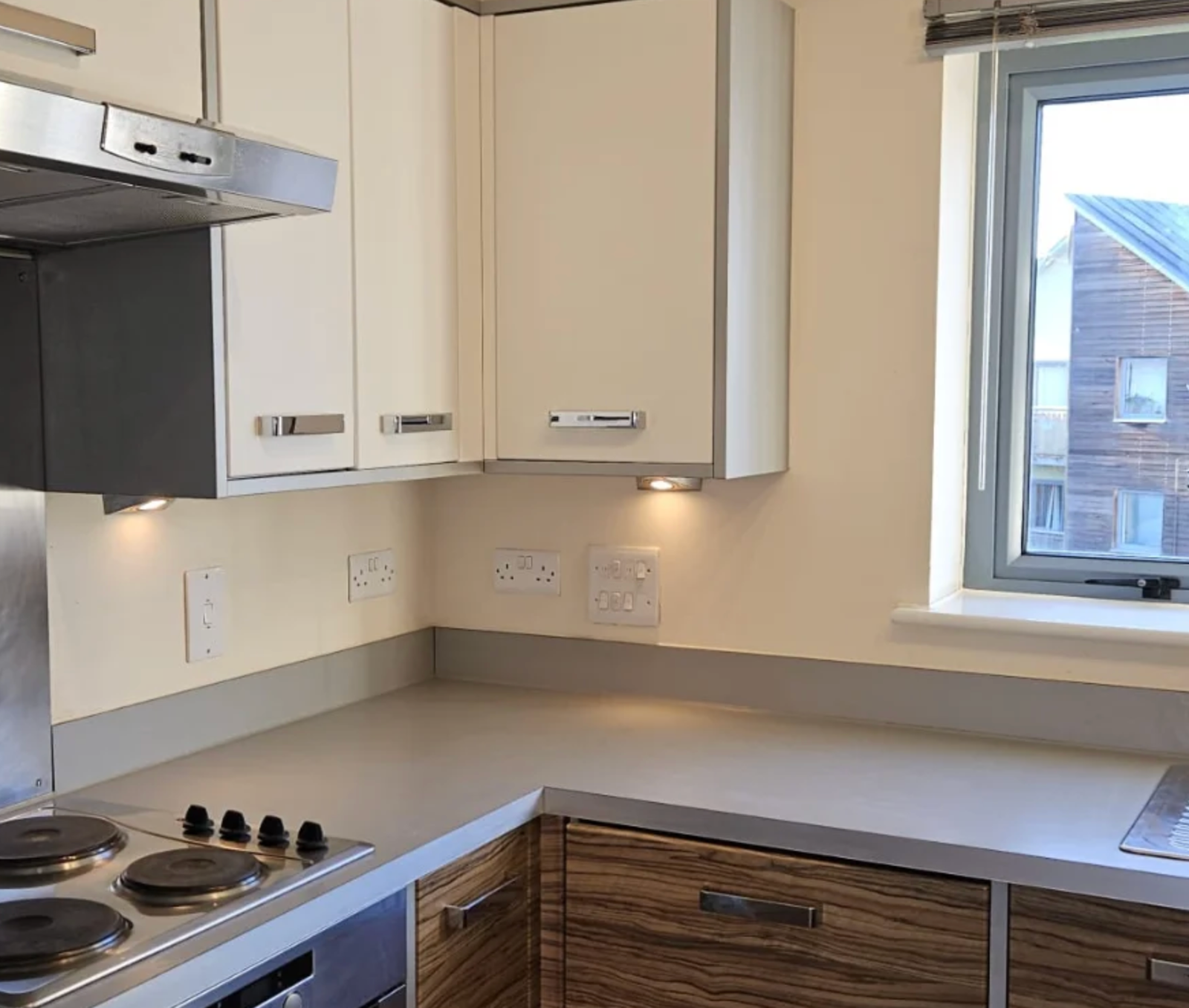
Kitchens contain numerous surfaces, cupboards, fittings and appliances, so preparing the space before the appointment can help the cleaning team work efficiently and systematically.
Empty cupboards that are included for internal cleaning and clear food, utensils and personal belongings from the worktops. Where appliance cleaning is included in the booking, make sure the relevant appliances are ready for the agreed service.
Professional end of tenancy cleaners can then focus on the detailed cleaning required throughout the kitchen. Careful attention to worktops, cupboards, fittings, appliances and other included areas can help leave the kitchen thoroughly cleaned and well presented. Clear communication about the agreed scope beforehand also helps the team provide an organised and professional service with attention to detail.
If the inside of the fridge or freezer is part of the cleaning service, it must be prepared in advance.
Empty all foodstuffs and personal belongings from the appliance (if applicable) to be cleaned. If defrosting is needed, follow the manufacturer’s guidelines and leave sufficient time for the defrost to complete before the cleaners arrive.
Do not delay defrosting until the very day of the appointment. This causes additional delay because of melt water, which may have to be kept under control so as not to damage adjoining floors and furniture.
Once empty, the appliance can be left in place ready for the agreed internal cleaning.
If you have a doubt about whether or not fridge or freezer cleaning is included in the booking it is best to check this rather than assume it is included as part of every end of tenancy check.
You may want to switch off utilities when your belongings are no longer on the site, but the cleaners might still need water and power.
Cleaning tasks will require the use of water, and there may be a need for electricity for the vacuum cleaners and other items of equipment. Lighting should be sufficient to enable surfaces to be checked during the tasks.
Therefore, make sure you do not disconnect the necessary amenities before the appointment has been completed.
Make sure that if there is an issue with the water, electricity, or lighting, the cleaning company is made aware of it before the day. Arriving to find no running water could mean some elements of the service not being achieved.
London properties can present access challenges that go beyond simply opening the front door.
Flats may have controlled entrances, concierge desks, security systems or restricted lifts. Some buildings require visitors to be signed in, while parking near the property can also be limited.
Make sure the agreed person can provide access at the scheduled time. If keys are being left with an agent, concierge or another person, confirm the arrangement beforehand.
Relevant entry codes or building instructions should also be communicated where appropriate.
For end-of-tenancy professional cleaning London properties, allowing for parking and building access can be particularly useful because cleaners may need to bring equipment and supplies into the property.
If a pet will still be at the property on cleaning day, make suitable arrangements before the cleaners arrive.
Open doors, cleaning equipment and unfamiliar people moving between rooms can create unnecessary stress for animals. Pets may also make it difficult to clean floors and other areas effectively.
Where possible, arranging for the pet to stay elsewhere during the appointment is often the simplest option.
If this cannot be done, keep the animal safely contained in an agreed area and inform the cleaning company in advance.
Any pet belongings that are being taken to the new property should also be packed and removed where possible so that the surrounding area remains accessible.
Timing can make a substantial difference to the final result.
If professional cleaning takes place several days before the move is finished, the property can become dirty again through packing, furniture removal and people repeatedly walking through rooms.
A practical sequence is usually to complete packing and removals first, have the property professionally cleaned once it is largely empty, and then carry out a final check before returning the keys.
The exact schedule will depend on the tenancy and moving arrangements, but leaving some time between cleaning and the checkout inspection can be helpful.
It provides an opportunity to walk through the property calmly rather than trying to complete cleaning, inspection and key handover simultaneously.
Once the cleaning is complete, inspect the property before handing back the keys.
Use the inventory or checkout requirements as a reference where appropriate. Check each room systematically, including storage areas and other spaces that can easily be forgotten during a rushed move.
This is also a good time to make sure no personal belongings remain.
Taking dated photographs of the cleaned property can provide a useful record of its condition when you leave. Capture clear images of the main rooms and important surfaces rather than relying on a few general photographs.
Keep relevant cleaning documentation alongside other moving and tenancy records in case you need to refer to it later.
Professional cleaners can concentrate on cleaning when they do not first have to work around moving boxes, personal possessions, food or rubbish.
Preparing the property does not require tenants to perform the professional clean themselves. Instead, it means creating clear access, making sure utilities are available and resolving practical issues before the appointment begins.
When arranging end of tenancy professional cleaning London, tenants should therefore think about preparation as part of the wider moving schedule. Packing, removals, cleaning and checkout work best when they happen in a sensible order rather than competing with one another on the same day.
Preparing for end of tenancy cleaning is mainly about making the property accessible and ensuring the appointment can proceed without unnecessary interruptions. Finish packing, remove personal belongings and rubbish, empty storage areas that need internal cleaning, clear surfaces and prepare relevant appliances according to the agreed service.
It is equally important to keep water and electricity available, organise property access, communicate known concerns and check the tenancy documents before the appointment.
A little preparation can make the final stages of moving considerably more organised. Instead of cleaners working around an unfinished move, they can focus on the areas included in the booking, leaving tenants with time to complete a final walkthrough before checkout and key handover.