
Newsletter Subscribe
Enter your email address below and subscribe to our newsletter

 ByJohn A
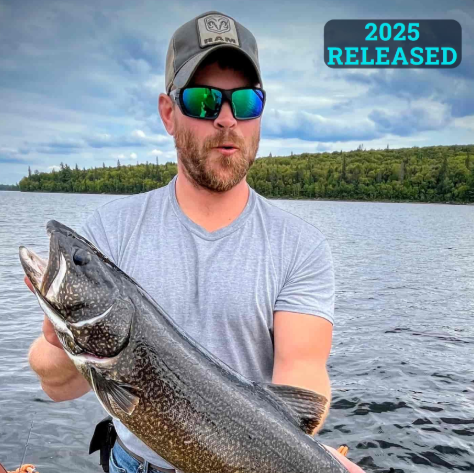
Plenty of anglers book a trout trip and end up sharing the water with cottagers, weekend boats and public launches. The setting shapes the fishing more than most trip planners expect. Quebec Lake Trout Fishing rewards distance, and the further a lake sits from roads and towns, the more consistent the results tend to be.
A lake held inside a controlled-access zone, reached only by a logging road, behaves differently from water anyone can reach on a Saturday morning. Quebec Lake Trout Fishing holds up season after season when a single operator manages the pressure, the fish reproduce naturally, and no winter ice fishery removes what the summer season leaves behind.
Water That Everyone Can Reach Gets Fished Accordingly: Lake trout grow slowly and mature late, so a population takes years to replace the fish removed in a single busy summer. On lakes with public launches, cottage lots and winter ice access, the larger year classes thin out first. What remains is a fishery that looks healthy on paper and fishes thin in practice.
Options Narrow the Longer a Trip Stays on the Someday List: Delay carries a cost that anglers rarely price in. Prime weeks on small operations fill first, and the groups who wait until spring take whatever remains. Outfitters running the same water for three decades routinely see guests settle for a shoulder week and miss the cold-water surface window on a lake they waited years to reach.
Sixty Miles of Gravel as a Working Filter: A logging road keeps casual traffic away better than any regulation. Roughly sixty miles of gravel past the last town means no day-trippers, no jet skis and no boat trailers arriving at dawn. The distance is the reason the lake still fishes the way northern lakes fished a generation ago.
A Controlled-Access Zone Explained in Plain Terms: A controlled-access zone is a defined territory where entry, harvest and camp development are regulated by the province rather than left open. Wider outdoor recreation participation has pushed pressure onto accessible lakes across the region, and zones of this kind absorb far less of it, which shows in the size structure of the fish.
See also: How Businesses Encourage Technology Access
Waterfront Cabins That Put You on the Lake at First Light: Housekeeping cabins built at the water’s edge remove the commute that eats into a fishing day. Each cabin at the main camp carries a three-piece bathroom, propane stove and fridge, a wood stove for cold mornings, electric lighting at night and a boat tied up a short walk from the door.
Outposts for Groups That Want the Lake to Themselves: Outpost cabins sit deeper along the lake, with hot running-water showers and room for private parties, including a three-cabin island camp suited to larger groups. Multigenerational travel planning often decides the format, since mid-July through mid-August brings wives, children and grandparents onto the beach while the anglers work the deep water.
Trout, Walleye and Pike within the Same Morning: Quebec Lake Trout Fishing works best where a single lake also holds walleye and northern pike, because the day never depends on one bite. Trout hold near the surface in late May and early June, then slide into deeper, colder water as the season warms, and the other two species cover the gap.
A Fishery Protected by Law Rather than House Rules: Walleye between 14.5 and 21 inches must go back under provincial slot regulation, which protects the spawning stock across every boat on the water. Lake trout are fought quickly and released alive, and no winter fishing is permitted, so the population is never drawn down twice within the same calendar year.
Convenience on One Side, Consistency on the Other: Cottage-country lakes offer paved roads, nearby towns and shorter drives, and for a weekend trip that trade works. Quebec Lake Trout Fishing on shared water tends to demand more hours for fewer fish, because the pressure never stops. A remote lake costs a longer drive and returns a week that does not fight for space.
Value That Compounds over Repeat Seasons: Naturally reproducing populations need no stocking, which means the quality of the fishing rests on protection rather than restocking budgets. Guests who return for ten or twenty seasons are effectively buying into a lake that improves with restraint, and that consistency is why groups rebook before they drive home at the end of the week.
Practical Considerations Worth Settling Early: A few details decide whether a remote week runs smoothly, and most of them are settled long before departure. Anglers comparing options for Quebec Lake Trout Fishing tend to weigh the same handful of factors, and each one carries weight once the truck turns onto the gravel road north of the last town.
Drive far enough past the last town and the water changes character. One lodge, no cottages, no public launches and three species that reproduce on their own account for a week that feels earned rather than booked. The forest, the beach and the quiet do as much for a family as the fishing does for the anglers.
Weeks on a small operation are limited, and the best of them go to the groups who commit early rather than the ones still deciding in April. Anyone weighing the drive against the return should look at this season’s dated catch photographs and ask directly about open dates. Start that conversation at ogascanan.com.
